
Jerusalem’s Authorities and the Apostles
Acts of the ApostlesA sequence of arrests, hearings, and attempted silencing escalates into a struggle over authority, public truth, and the limits of institutional power.
increasing Bearing strength in each event
 decreasing
Bearing strength in each eventdecreasingThe Healing Is Challenged

A Sign Threatens Established Authority
The apostles are questioned
Temple leaders arrest Peter and John and ask by whose name they acted. The question concerns both the healing and the legitimacy of the public message attached to it.
The answer names Jesus
Peter declares that the healing occurred in Jesus’s name. The authorities face a visible result they cannot easily deny, even as they resist the interpretation given to it.
Silence Is Ordered

The Authorities Set a Boundary
A warning replaces refutation
The council orders the apostles not to teach or speak in Jesus’s name. Their concern is control of the public arena rather than a demonstrated ability to disprove the healing.
The apostles refuse
Peter and John answer that they cannot stop speaking about what they have seen and heard. The confrontation establishes a direct contest between institutional command and religious conviction.
The Community Seeks Boldness
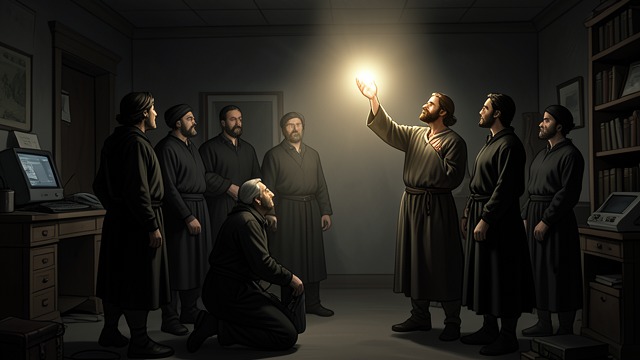
The Conflict Moves Inside the Church
Threats are reported
The community listens as Peter and John describe the authorities’ order. Rather than treating the conflict as theirs alone, the group gathers to respond together.
Prayer becomes preparation
They ask for boldness, and the Spirit strengthens their witness. The authorities’ attempt to silence the apostles helps clarify the community’s own commitments.
A Second Arrest Intensifies Matters
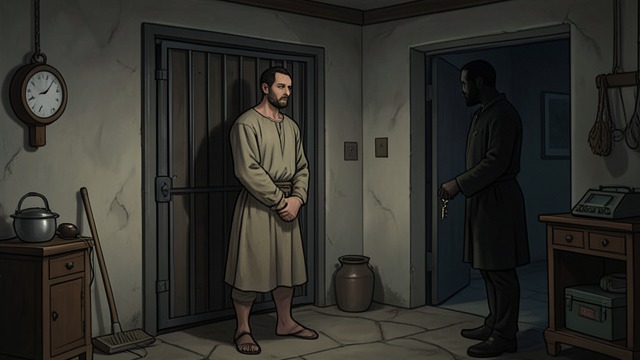
Custody Fails to End the Mission
The apostles are jailed
The authorities imprison the apostles, but an angel releases them and sends them back to teach. The officials discover the empty prison and must bring them in again.
Obedience becomes explicit
Peter says that the apostles must obey God rather than human authorities. The conflict is no longer only about a healing; it is about which authority governs public action.
Gamaliel Resists Execution

A Respected Voice Slows the Violence
Anger threatens the apostles
The council considers killing the prisoners. Gamaliel urges a wait-and-see approach, warning that the leaders could find themselves opposing God.
A temporary restraint
The apostles are flogged and released. The conflict remains unresolved, but the council’s disagreement prevents immediate execution and allows public witness to continue.
After Peter and John heal at the Beautiful Gate
At the conclusion of the first hearing
After the apostles return from the hearing
After the apostles’ public activity resumes
During the council’s second hearing
